35: Love is watching someone die
Your uncle died this morning.
You stand in the tiny bodega where you get your lunch, waiting for Carlos to assemble your ham-pastrami-and-swiss while you listen to your mother describe his final moments. Uncle Glen. He was one of those permanently peripheral fixtures in your life as you grew up, one of your mom’s funny cousins who spoke loud and laughed long and declared how much bigger you had grown since the last time you’d seen him. You gave him dutiful hugs and laughed quietly when he made jokes, ever the shy, the quiet, the diminutive child, unwilling and unable to crack the veneer of your social anxiety to know your extended relatives on anything past the most superficial level. When you’re a child, your aunts and uncles are eternally middle-aged, knowing and mature, in their grown person clothes and “Oh, look how big you’ve gotten!” pronouncements, their wide-mouthed grins, chummy boisterousness. As you grow up, they’re even more ephemeral, floating in the comfortable corners of your burgeoning life, a familiar touchstone during the occasional wedding, funeral, family reunion you actually make the trek home for. The crushing hugs, the safe smell of home, of family. “Look at you!”
And then you flow into adulthood, somehow: you have a stable job, apartment; you fall in love, you become pregnant, you become a wife, and mother, you cross thresholds and achieve milestones you thought elusive and impossible when you were a child, closing that long, heavy distance with a sudden snap. You hear yourself saying “Oh, look how big you’ve gotten!” to the growing children in your family, and wonder, when did people stop saying that to me? You learn of your uncle’s passing in the middle of class, while your sixth graders are working on a reading chart, and you can’t imagine it, can’t imagine the seismic shift within your family, miles and miles from where you stand, the cool, stale air of death in the small Bronx apartment you visited as a child. Your world, holding fast, while you know that somewhere uptown, there are people you love who are struggling to steady themselves, regain their footing in the After of their brother, their cousin, their father, their friend, the After that punctuates his end: After the illness. After the treatment. After his life. His death, period. You try, and realize, with useless shame, that you cannot remember one significant conversation you’ve ever had with him.
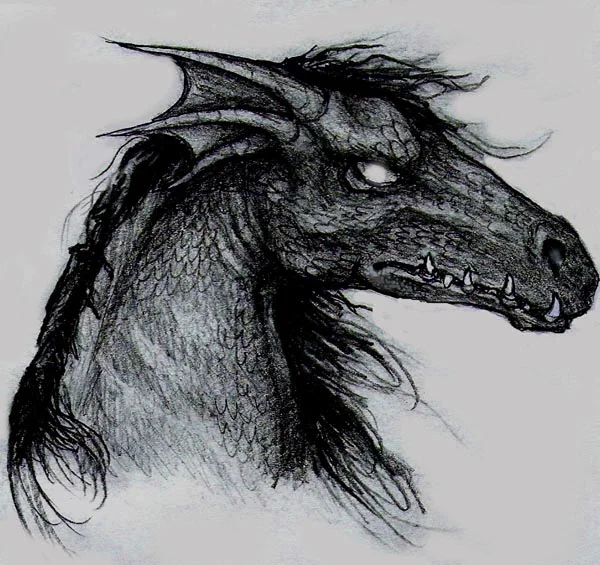
You can see thestrals now, you don’t say to your mother, because this is what your mind does in these moments, grasps for the nearest outcropping of cultural reference, a familiar foothold, a way to forge connection between the horror of life and the comforting echo of fantasy. Thestrals, the shadowy, skeletal horses only visible to those who have seen death. And then you think, maybe Mom could see them already. You cannot remember if she has watched a person die before. (Later on, you recall the answer is yes.) You almost did, once, when you visited your sister’s ex-husband’s second wife. She was badly injured, connected to tubes, unconscious. A car accident. (Your niece and nephew were in the car, too. They were injured, but not gravely. You hoped they were not yet old enough to understand.) You felt cold in the small room, uncomfortable, wildly out of place. Your sister couldn’t stop crying, and you puzzled at the myriad ways love and marriage and divorce could entwine frail hearts and even more frail bodies.
The woman died a few days later, days after you sat in your dad’s car after the visit and listened to Death Cab For Cutie, What Sarah Said. ("Love is watching / Someone die..." Or is it "Love is / Watching someone die"? That ambiguity has always been your favorite part of the song.) You cried, although you had never met her when she was healthy; you don’t even know what she looked like, or, frankly, remember her name. You’ve always wondered how close she was, to death, in that moment; if that could count, thestral-speaking. You recoil in horror at the thought, at this direst human condition, the opaque finality of death, trivialized by your immature imaginings. Trivialized or humanized? How can you even fathom this, the total opposite of what you thoughtlessly take for granted every moment? The totality of un-being? Your mom says your uncle opened his eyes, wide, before the end. He could no longer speak, could only grip his sister's hand, a safe touchstone, a final embrace. You want to ask, but don’t: what do you think he saw?